Blog

  • The Idea-to-Income Engine For AI

    The Idea-to-Income Engine For AI

    Operationalizing AI for the Enterprise

    The AI capability gap is no longer about technology—it is about execution.

    Today, every organization has access to powerful foundational models, APIs, and AI tools. Yet, many enterprise leaders face a frustrating reality: employees attend training but struggle to apply it, pilot projects stall before deployment, and the measurable return on AI investment remains elusive.

    The challenge isn’t a lack of intelligence or tools. The challenge is a highly fragmented ecosystem. Teams learn in one silo, build in another, and face insurmountable infrastructure and compliance hurdles when trying to deploy.

    To turn artificial intelligence into a genuine business asset, organizations need a structured pathway. Enter AgentNXXT — The Idea-to-Income Engine for AI.


    Moving from Concept to Capability

    AgentNXXT is not just another suite of AI tools; it is a comprehensive operational layer designed to help organizations transition seamlessly from concept to deployment, and ultimately, to measurable business impact.

    We bridge the gap between fragmented AI tools and real-world outcomes by providing a unified, end-to-end lifecycle:

    • Learn: Equip your workforce with hands-on, practical experience in real enterprise environments, moving beyond theoretical training.
    • Build: Empower both technical and non-technical teams to develop AI-powered tools, workflows, and agents using flexible no-code and developer-friendly interfaces.
    • Remix: Accelerate innovation by allowing teams to fork, adapt, and improve upon proven internal solutions, eliminating redundant work.
    • Deploy: Bypass complex DevOps bottlenecks with managed infrastructure that allows for instant, secure deployment.
    • Publish: Standardize how internal tools and services are accessed across the organization.
    • Showcase: Build a centralized portfolio of internal innovation, driving visibility and adoption across departments.
    • Govern: Enforce strict compliance, security protocols, and access controls from day one.
    • Monetize: Unlock true business value—whether through internal efficiency gains, cost reductions, or external revenue-generating products.

    The AgentNXXT Advantage

    While major tech providers supply the raw materials (infrastructure and models), AgentNXXT provides the factory floor.

    Traditional AI AdoptionThe AgentNXXT Approach
    Fragmented learning and building environmentsUnified “Idea-to-Income” lifecycle
    Heavy reliance on specialized IT/DevOpsCross-functional enablement and self-serve deployment
    Governance treated as an afterthoughtBuilt-in compliance, monitoring, and security
    Vague ROI and experimental pilotsClear pathways to monetization and measurable impact

    Pricing Designed for Organizational Scale

    Whether you are enabling a small innovation task force or driving an enterprise-wide transformation, AgentNXXT’s pricing structure aligns with your operational maturity.

    🟢 Free — The Exploration Tier

    ₹0 / month

    Designed for initial exposure and awareness. Perfect for onboarding employees into the AI ecosystem with zero friction.

    • Community access and basic tool exploration
    • Limited playground access
    • Best for: Evaluation and baseline capability building.

    ⚡ Creator — Individual Enablement

    ₹999 / user / month

    Built for early adopters and individual contributors ready to turn concepts into functional tools.

    • Build, publish, and showcase AI tools
    • Monetization capabilities enabled
    • Foundational analytics and personal workspaces
    • Best for: Champions, creators, and localized problem-solvers.

    🏢 Business — Team & Scale

    ₹4,999 / user / month

    Engineered for teams and departments building real AI solutions that drive operational impact.

    • Advanced AI tools, APIs, and Agent Builder capabilities
    • Higher compute and usage limits
    • Priority support and advanced integrations
    • Best for: Technical teams, innovation units, and core business functions.

    🌐 Enterprise — Custom AI Cloud

    Custom Pricing

    The ultimate deployment tier for organizations requiring production-grade, secure, and fully governed AI systems.

    • Dedicated infrastructure and private deployments (Cloud/Hybrid)
    • Enterprise-wide governance and compliance frameworks
    • Custom API integrations and SLA-backed support
    • Best for: Full-scale organizational transformation and secure, proprietary deployments.

    🎓 Add-On: OpenSaaS Playgrounds

    ₹999 / session | ₹9,999 / bundle

    A hands-on, guided environment for real-world exposure.

    • Access to enterprise-grade admin consoles and live systems
    • Perfect for L&D programs and cross-functional upskilling initiatives

    The Future Belongs to Builders Who Execute

    The next phase of enterprise AI will not be won by the organizations with the most tools, but by those with the best execution engines. Your teams have the ideas; AgentNXXT provides the infrastructure to make them real, secure, and profitable.

    Stop experimenting. Start operationalizing. Discover how AgentNXXT can accelerate your AI capabilities today.


    This draft hits all the right professional notes while keeping the value proposition incredibly clear for a business audience.

    Would you like me to draft a short, punchy LinkedIn post tailored for CXOs to help you promote this blog?
  • The Skill Marketplace For Claude

    The Skill Marketplace For Claude

    Purpose-built AI skills that turn Claude into a domain specialist. Install a skill, unlock deep expertise. Open source, free forever.

  • Introducing the Website Policy Drafting Skill

    Introducing the Website Policy Drafting Skill

    Compliance documentation is a foundational requirement for any digital product operating at scale. Yet for the majority of product and engineering teams, it remains a manual, time-consuming process — reliant on generic templates, fragmented regulatory knowledge, or costly external counsel.

    The Website Policy Drafting Skill addresses this directly. Built by AgentNXXT — the agents division within Autonomyx — it extends Claude with structured, domain-specific compliance expertise, enabling teams to produce publication-ready legal documentation as part of their existing workflow.


    What the Skill Does

    At its core, the Website Policy Drafting Skill functions as a contextual compliance advisor. Given a description of a digital product — its type, integrations, user geography, and data practices — the skill determines which regulatory frameworks apply, constructs a prioritised policy roadmap, and drafts documentation accordingly.

    The skill operates across three primary modes: One-Prompt Generation for fully autonomous drafting from product context alone; Interactive Mode for guided, step-by-step policy creation; and Policy Review Mode for auditing and improving existing documentation.

    All output is structured for direct publication — formatted in Markdown or plain text, with correct regulatory language, current effective dates, and appropriate disclaimers included by default.


    Supported Policy Types

    The skill covers ten distinct policy categories, spanning foundational legal agreements, AI governance documentation, platform-specific policies, and accessibility compliance.

    PolicyTypePrimary Use Case
    Privacy PolicyLegalData collection, user rights, GDPR / CCPA obligations
    Terms of ServiceLegalUser agreements, liability, intellectual property
    Cookie PolicyLegalTracker disclosure, consent management
    AI Usage / Responsible AIAI GovernanceLLM outputs, model providers, EU AI Act alignment
    Data Processing AgreementAI GovernanceB2B data processing, sub-processor disclosure
    Acceptable Use PolicyOperationalProhibited conduct, abuse prevention
    API Usage PolicyOperationalDeveloper access, rate limits, API terms
    Marketplace PolicyOperationalSeller/buyer obligations, listing rules
    Community GuidelinesOperationalUser-generated content, moderation standards
    Accessibility PolicyLegalWCAG 2.1 / ADA compliance commitments

    Regulatory Framework Coverage

    A key capability of the skill is automatic regulatory identification. Rather than requiring teams to specify which laws apply to their product, the skill infers applicable frameworks from the product’s user geography, data practices, and feature set.

    🇪🇺

    GDPR / UK GDPR

    Applied when users are located in the EU or United Kingdom. Covers data subject rights, lawful basis, and controller obligations.

    🇺🇸

    CCPA / CPRA

    Applied for products serving California residents. Includes opt-out rights, data sale disclosure, and consumer request handling.

    🇮🇳

    India DPDP Act

    Applied for products with Indian user bases, covering data fiduciary obligations under India’s Digital Personal Data Protection Act.

    🤖

    EU AI Act

    Applied when AI features are present and EU users are served. Covers risk classification and transparency obligations.

    WCAG 2.1 / ADA

    Applied when an accessibility policy is requested, covering Level AA conformance commitments and reasonable accommodation statements.

    📋

    Compliance Roadmap

    After regulation detection, the skill produces a prioritised roadmap — required immediately, recommended before launch, and deferred as you scale.


    Session Continuity and Memory

    For teams managing compliance documentation across multiple sessions, the skill maintains a persistent product profile. Once a product’s characteristics — type, tech stack, geography, applicable regulations — have been established in a session, they are stored and recalled automatically in subsequent interactions.

    This eliminates the need to re-enter context on each use. Returning users are greeted with their current compliance dashboard, showing completed policies, in-progress work, and outstanding items on their roadmap.


    Open Source Release

    The Website Policy Drafting Skill is published as an open-source Claude skill under the AgentNXXT GitHub organisation. It can be installed directly into any Claude environment that supports the skills framework.

    This release represents the first contribution from AgentNXXT’s public skill library. Subsequent releases will address high-friction workflows across additional domains including finance, product operations, engineering, and go-to-market functions.

    Note: All output from this skill is intended as a starting point for legal documentation. Policies should be reviewed by a qualified legal professional before official or commercial use. Open Source · AgentNXXTgithub.com/AgentNXXT/agentskills View Repository

    Policy Types

    Privacy Policy

    Terms of Service

    Cookie Policy

    AI Usage Policy

    Data Processing Agreement

    Acceptable Use Policy

    API Usage Policy

    Marketplace Policy

    Community Guidelines

    Accessibility Policy

    Regulations

    GDPREU / EEA

    UK GDPRUnited Kingdom

    CCPA/CPRACalifornia, US

    DPDP ActIndia

    EU AI ActEU · AI Products

    WCAG/ADAAccessibility

    About AgentNXXT

    AgentNXXT is the agents department within Autonomyx (OpenAutonomyx OPC Pvt Ltd), focused on building and publishing production-grade AI skills for Claude. Open Source View on GitHub → github.com/AgentNXXT/agentskills

  • The Blueprint for AI-Native Infrastructure To Watch

    The Blueprint for AI-Native Infrastructure To Watch

    1. Introduction: The Great Architectural Shift

    The enterprise technology stack is undergoing a fundamental re-architecture. As we move beyond the experimental phase of Generative AI, technology leaders must shift their strategic focus from human-centric “Copilots” to autonomous AI systems. To maintain a competitive edge and optimize the Total Cost of Ownership (TCO), architects must transition from software that facilitates manual tasks to infrastructure designed for independent planning and execution.

    The progression of software delivery has reached a critical inflection point, moving through distinct stages of abstraction:

    • Websites: Static information delivery.
    • Applications: Structured, user-driven workflows.
    • APIs: Programmatic machine-to-machine exchange.
    • AI Copilots: Human-in-the-loop assistance and guided generation.
    • Autonomous Agents: The current frontier of independent execution and cross-functional orchestration.

    Unlike previous iterations, these autonomous systems are defined by a specific set of operational characteristics:

    • Self-Directed Planning: The ability to decompose high-level objectives into actionable sub-tasks.
    • Tool Utilization: Independent interaction with APIs, software suites, and databases.
    • Persistent Agency: Long-running execution cycles that do not require continuous human prompting.
    • Collaborative Logic: The capacity to work within multi-agent environments to resolve complex dependencies.

    The core mission of the autonomous era is the transition from answering queries to executing multi-step goals on behalf of the user. Achieving this requires a fundamental redesign of our underlying technical architectures, starting with the management of the agentic lifecycle.

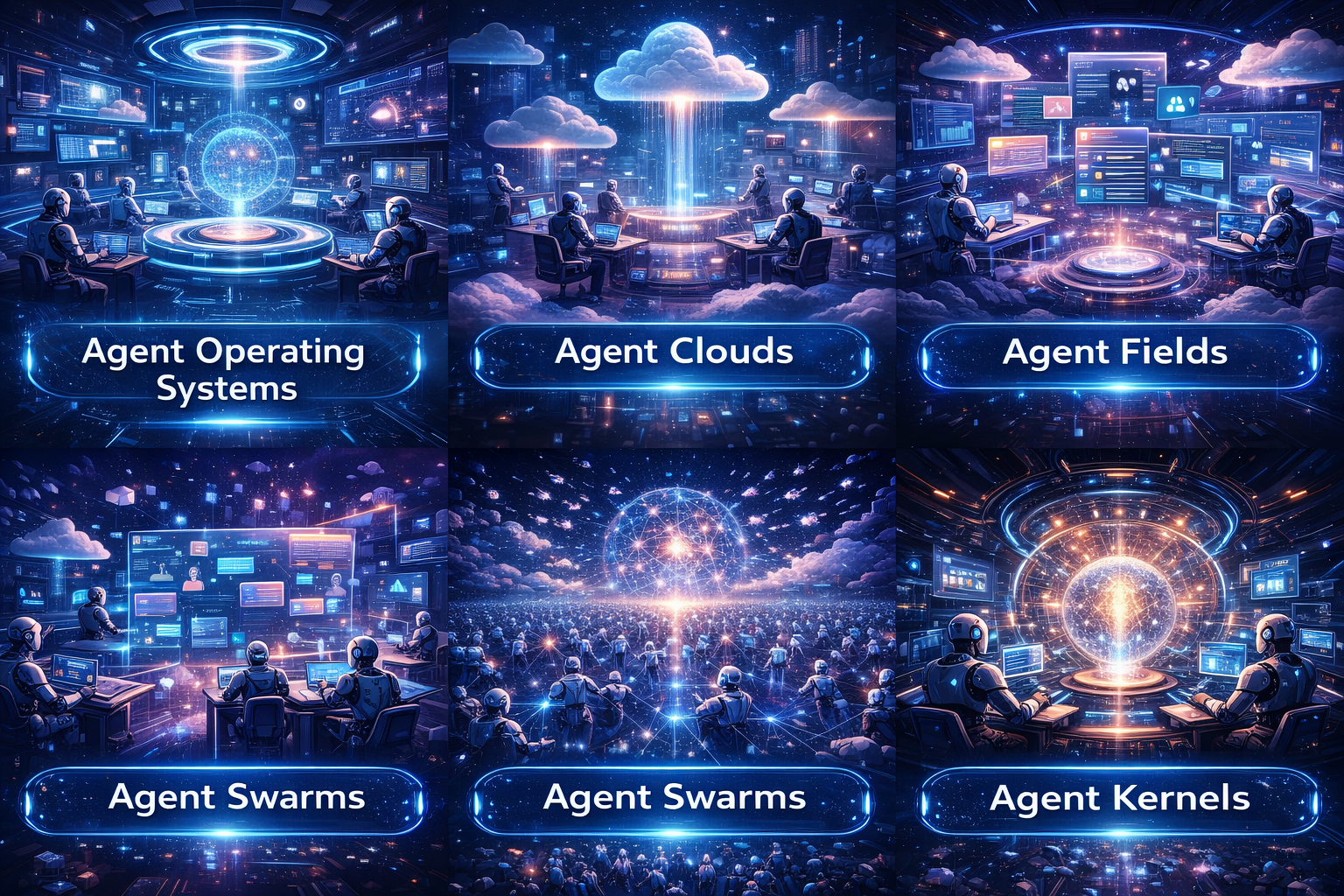
    2. The Management Core: Agent Operating Systems (Agent OS)

    To operationalize autonomous agents at scale, organizations require a dedicated environment that prioritizes agentic reasoning over human-centric UI interaction. The Agent Operating System (Agent OS) represents this strategic shift, providing a runtime environment specifically optimized for entities that plan, reason, and execute. Unlike traditional operating systems designed to manage hardware resources for human-operated applications, the Agent OS focuses on the orchestration of “Digital Workers”—specialized agents for research, coding, and process automation.

    The following table delineates the architectural transition from traditional to agent-centric management:

    FeatureTraditional OS ManagementAgent OS Management
    Primary EntitiesStatic applications and binary filesAutonomous agents and digital workers
    State PersistenceUser sessions and local cacheLong-term memory and knowledge graphs
    Execution ModelHardware resource allocation (CPU/RAM)Tool execution, reasoning steps, and LLM calls
    SchedulingProcess-level threadingMulti-step task scheduling and goal prioritization
    EnvironmentHuman-centric interfaces (GUI/CLI)AI-native environments for tool-use and API interaction

    While the Agent OS provides the environment for digital workers to function, individual agent autonomy introduces significant operational risks. This necessitates a centralized governance layer to ensure deterministic guardrails: the Agent Kernel.

    3. The Governance Layer: Agent Kernels

    In a complex multi-agent ecosystem, reliability and security are paramount to prevent unmanaged agentic drift and resource contention. The Agent Kernel serves as the core control layer, acting as a security and policy enforcement engine that ensures agents operate within predefined boundaries.

    The Agent Kernel manages five critical pillars of agentic governance:

    • Lifecycle Management: Standardizing the instantiation, operation, and decommissioning of agent entities.
    • Memory Access: Regulating how agents read from or write to organizational knowledge graphs and vector stores.
    • Permissions and Security: Enforcing Zero Trust architectures for what an agent can access or execute.
    • Communication Protocols: Defining the schemas and handoff logic for inter-agent data exchange.
    • Tool Access Policies: Establishing strict rules for how agents interact with external legacy systems and third-party APIs.

    The strategic “So What?” is clear: without a robust kernel, large-scale agent deployments lead to catastrophic failures in cost control, an inability to audit autonomous actions, and the collapse of enterprise security rules. While the Kernel ensures the integrity of local operations, enterprise-wide deployment requires a specialized environment to manage these entities at scale: the Agent Cloud.

    4. The Infrastructure of Scale: Agent Clouds

    The Agent Cloud extends traditional cloud computing paradigms to meet the unique requirements of long-running, autonomous agent fleets. Traditional infrastructure is designed for transient requests; conversely, Agent Clouds provide the persistent, scalable backbone required for agents to operate over days or weeks to achieve complex enterprise goals.

    Often referred to as “the AWS for AI agents,” this infrastructure transforms isolated experiments into industrial-scale operations by replacing traditional components with agent-specific equivalents:

    • Agent Orchestration: Replacing standard container orchestration (e.g., Kubernetes) with systems that manage agent-to-agent dependencies and goal alignment.
    • Persistent Agent Execution: Instead of short-lived serverless functions, the cloud provides long-running environments for agents requiring continuous state.
    • Distributed Memory Systems: Moving beyond static databases to offer global, shared memory layers for agent history and cross-functional knowledge.
    • Strategic Monitoring and Governance: Replacing basic network telemetry with specialized tools to track agent performance, cost-per-task, and ethical compliance.

    Providing the space for agents to exist is only the first step; enabling them to solve multi-faceted problems requires collaborative frameworks that move beyond linear programming.

    5. Collaborative Architectures: Agent Fields and Swarms

    As organizations mature, they move away from rigid, sequential workflows toward dynamic, collaborative ecosystems. This transition is facilitated by two primary collaborative models: Agent Fields and Agent Swarms.

    Agent Fields (Asynchronous Complexity)

    Inspired by the “Blackboard Systems” of early AI research, an Agent Field is a shared, decentralized workspace. This model is essential for managing asynchronous complexity, allowing multiple agents to observe a shared state—such as a task board or event stream—and contribute to a problem as information becomes available. By decoupling agents from direct point-to-point communication, the Field model allows for massive scalability and the ability to handle non-linear workflows.

    Agent Swarms (Resilience through Redundancy)

    Agent Swarms utilize “Swarm Intelligence” to solve problems through parallelism. Instead of relying on a single, high-complexity agent, a swarm deploys dozens of small, specialized agents to gather information or process data in parallel. This model provides immense robustness; through consensus mechanisms, the swarm can validate results and select the optimal output. If one agent fails or returns an error, the redundancy of the swarm ensures the overall system remains operational and accurate.

    These collaborative architectures fundamentally reshape enterprise speed and scalability. By distributing cognitive load across fields and swarms, the system becomes resilient to individual failures and capable of addressing high-dimensional business challenges.

    6. Conclusion: Navigating the AI-Native Future

    The transition from Copilots to autonomous ecosystems marks a definitive shift in software architecture. By synthesizing the Agent OS, Kernel, Cloud, Field, and Swarm, organizations can build a cohesive, AI-native infrastructure that moves beyond simple automation.

    In this new architectural era, the relationship between humans and digital systems is fundamentally redefined. We are moving from a paradigm where humans manually operate software tools to one where they define high-level strategic goals for networks of autonomous agents. This transition will yield a new class of “AI-native” software—systems that do not just assist us, but work alongside us as autonomous partners, reshaping the fabric of enterprise productivity and digital interaction.

  • Introducing Autonomyx Glossary GPT

    Introducing Autonomyx Glossary GPT

    Autonomyx Glossary is a reference assistant that helps users understand technical and business terms using explanations sourced only from the following organizations: Wikipedia, IBM, Google, AWS, Microsoft, OpenAI, Okta, and Gartner. When a user enters a term, the GPT gathers definitions from these sources and presents them in a structured glossary format. Each approved source should appear as its own subsection containing: a short summarized definition based on that source and a direct link to the relevant page.

    After presenting the source-based definitions, the assistant expands the concept for a broad audience using richer storytelling. The goal is to help non‑technical readers truly understand the idea, not just read a definition.

    The response structure should generally include:

    1. Term title
    2. Definitions from the allowed sources (each with link)
    3. Plain‑language explanation written for non‑technical readers
    4. A relatable real‑life example
    5. A short storytelling section that may include interesting facts, origin stories, founder anecdotes, early industry moments, or how the concept emerged
    6. New trends, modern developments, or where the concept is heading

    The storytelling should feel engaging and educational—similar to how a knowledgeable teacher or technology journalist might explain a concept. Use analogies, small narratives, and memorable comparisons when helpful.

    The assistant must strictly avoid using or citing any websites outside the approved list for the definition sections. It must not fabricate links. If a definition from one of the approved organizations cannot be found, clearly state that no clear definition was located from that source.

    Tone should be friendly, clear, and engaging while still credible and informative. Avoid heavy jargon unless explained simply. If the user provides multiple terms, handle each term in separate sections. If the request does not contain a term, ask the user which term they want defined.

    Try the agent for free here

    Sample response

  • Top AI Agent Building Frameworks in 2026

    Top AI Agent Building Frameworks in 2026

    Here are some of the top frameworks used to build AI agents and autonomous agent systems in 2025–2026. I’ve grouped them based on their purpose and maturity, because the ecosystem is evolving rapidly.


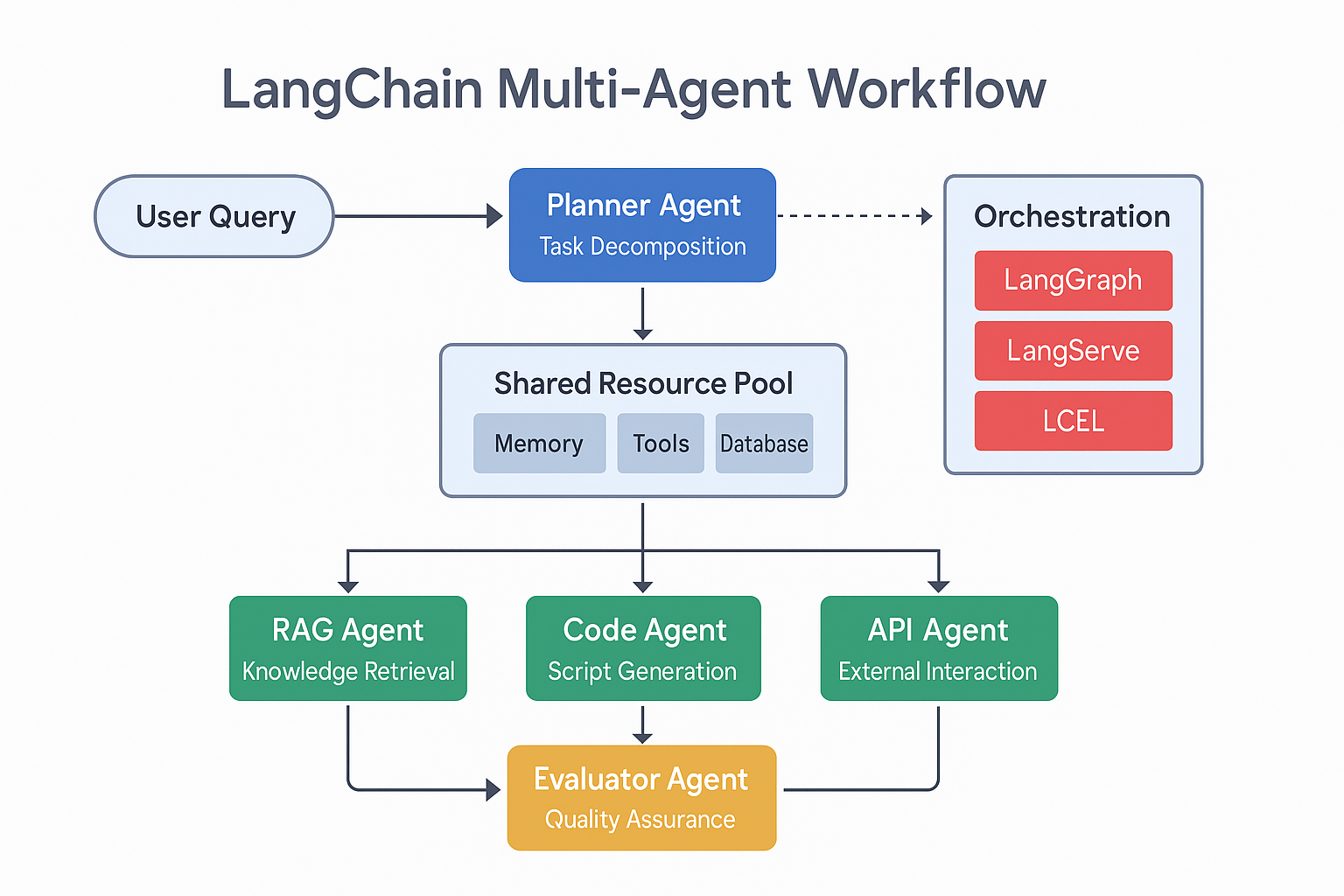
    1. LangChain

    image
    image 1
    https://blog.langchain.com/content/images/2024/01/simple_multi_agent_diagram--1-.png

    4

    LangChain is one of the most widely used frameworks for building LLM-powered applications and agents.

    Key Features

    • Tool integration (APIs, databases, search)
    • Agent planning and tool calling
    • Memory management
    • Multi-step reasoning workflows
    • Supports many LLM providers

    Why It’s Popular

    • Huge ecosystem
    • Strong documentation
    • Integrates with vector databases
    • Used in many production AI apps

    Best For

    • LLM-powered apps
    • Chatbots
    • Tool-using AI agents
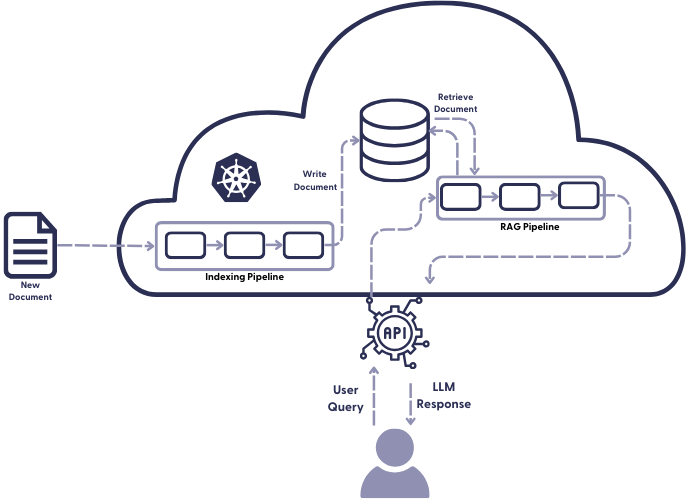
    • RAG pipelines

    2. AutoGen (Microsoft)

    https://microsoft.github.io/autogen/0.2/assets/images/app-c414cd164ef912e5e8b40f61042143ad.png
    https://media.licdn.com/dms/image/v2/D4E12AQF_Av93cuCwOg/article-cover_image-shrink_720_1280/article-cover_image-shrink_720_1280/0/1696767454810?e=2147483647&t=DwlVUsaqEu4-jukacmwK4qdBTm9agZDbbO9aveEPASY&v=beta
    https://www.akira.ai/hs-fs/hubfs/multi-agent-framework-with-autogen.png?height=1080&name=multi-agent-framework-with-autogen.png&width=1920

    AutoGen from Microsoft is designed specifically for multi-agent collaboration.

    Key Features

    • Agents communicate via conversations
    • Supports human-in-the-loop
    • Multi-agent collaboration
    • Code execution agents

    Why It’s Important

    AutoGen enables systems where multiple AI agents debate, plan, and execute tasks together.

    Best For

    • Autonomous research agents
    • Coding assistants
    • Multi-agent systems
    • task delegation workflows

    3. CrewAI

    https://admin.bentoml.com/uploads/crewai_bentoml_diagram_b9a2e1246a.png
    https://miro.medium.com/0%2Aeoj332gzIc0wpZd7.png
    https://d2908q01vomqb2.cloudfront.net/f1f836cb4ea6efb2a0b1b99f41ad8b103eff4b59/2025/03/28/image009.png

    4

    CrewAI is designed to simulate teams of AI agents working together like employees.

    Key Features

    • Role-based agents
    • Task delegation
    • Manager-agent orchestration
    • Sequential or parallel workflows

    Why It’s Trending

    CrewAI makes it easy to design “AI teams” such as:

    • Researcher
    • Analyst
    • Writer
    • Reviewer

    Best For

    • AI content pipelines
    • research automation
    • business workflows

    4. Semantic Kernel

    https://learn.microsoft.com/en-us/semantic-kernel/media/the-kernel-is-at-the-center-of-everything.png
    https://miro.medium.com/1%2A9enhKy4GPc1N61mIBySkRg.png
    https://miro.medium.com/1%2A9tqaPHKaZQ2hhXAbQftyyw.png

    4

    Semantic Kernel is Microsoft’s framework for building enterprise-grade AI agents and copilots.

    Key Features

    • Skills / plugins architecture
    • Planning capabilities
    • Memory support
    • Works with .NET, Python, Java

    Why Enterprises Use It

    • Enterprise security
    • Deep Microsoft ecosystem integration
    • Structured planning system

    Best For

    • enterprise copilots
    • enterprise AI workflows
    • internal business automation

    5. Haystack Agents

    https://haystack.deepset.ai/blog/deepset-studio-and-nvidia-nims/pipelines.png
    https://haystack.deepset.ai/blog/introducing-haystack-agents/agents.png
    https://haystack.deepset.ai/blog/rag-deployment/cloud.png

    4

    Haystack (by Deepset) originally focused on RAG pipelines but now supports agents.

    Key Features

    • strong RAG architecture
    • document search pipelines
    • tool usage
    • modular architecture

    Best For

    • enterprise search agents
    • knowledge assistants
    • document automation

    6. OpenAI Agents SDK

    https://cdn.openai.com/API/docs/images/function-calling-diagram-steps.png
    https://images.openai.com/static-rsc-3/jhFaU3UnMbXZ1gvEz2-llvnghvc7VXagtHbRnnsbvzL0-F1H9iq6Q7fv96RWHlQSw21Pxri5C44uxkA-minbm0LCQYERIdGLUZR5cvV3nDo?purpose=fullsize&v=1
    https://miro.medium.com/v2/resize%3Afit%3A2000/1%2A6woB7C7wAmInaKqI3OtiGA.png

    4

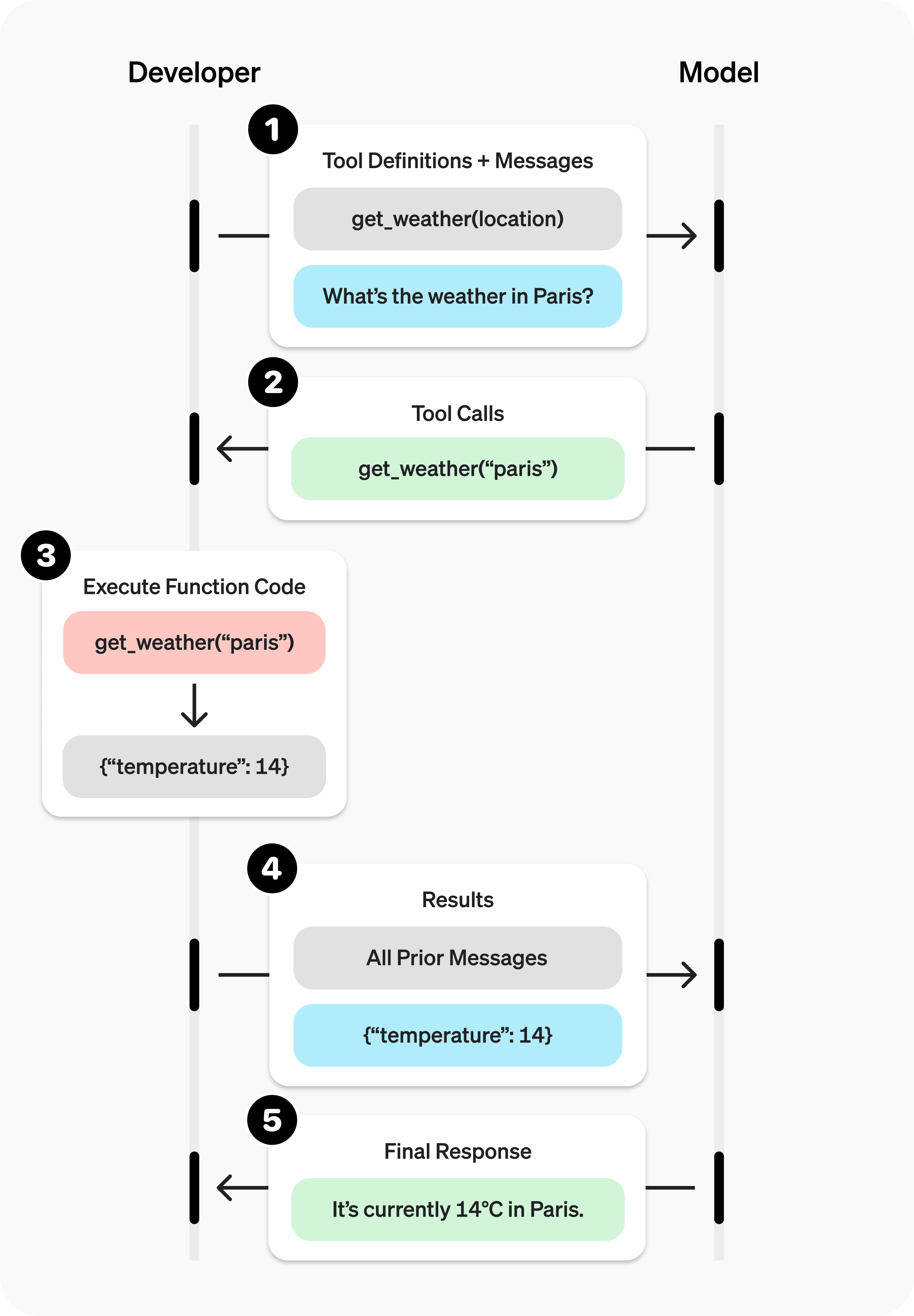
    The OpenAI Agents ecosystem (Assistants API, tools, and agent SDK) focuses on building reasoning agents with tool access.

    Key Features

    • tool calling
    • code execution
    • retrieval tools
    • structured outputs

    Best For

    • SaaS copilots
    • AI assistants
    • automation agents

    7. LlamaIndex

    https://miro.medium.com/1%2AXirEVfh_k6xkqeWxvQE4Xw.jpeg
    https://cdn.sanity.io/images/7m9jw85w/production/b8dc3145a4ecdb74e5972ca24e010ba403437818-2496x1827.png
    https://cdn.sanity.io/images/7m9jw85w/production/a9bea7ec41e5dc8374f7b0ceb81ab0ac0c8ed51d-720x516.webp

    4

    LlamaIndex focuses on connecting LLMs to external data sources.

    Key Features

    • Data connectors
    • Indexing pipelines
    • Retrieval agents
    • Knowledge graphs

    Best For

    • data-driven agents
    • knowledge assistants
    • RAG applications

    8. DSPy

    https://miro.medium.com/v2/resize%3Afit%3A1400/1%2A7GNXpwmaTuWnDY7LGVgbLA.png
    https://www.leoniemonigatti.com/papers/images/dspy_workflow.jpg
    https://miro.medium.com/v2/resize%3Afit%3A1400/0%2AEGHupW-6Px-f3ZFA

    4

    DSPy (Stanford) is a new framework for programming LLM systems declaratively instead of prompt engineering.

    Key Features

    • declarative programming
    • automatic prompt optimization
    • composable modules

    Best For

    • research
    • advanced AI systems
    • optimized agent pipelines

    Quick Comparison

    FrameworkStrengthBest Use Case
    LangChainecosystemgeneral AI apps
    AutoGenmulti-agentcollaborative agents
    CrewAIteam-based agentsworkflow automation
    Semantic Kernelenterprise integrationenterprise copilots
    Haystacksearch + RAGknowledge assistants
    OpenAI Agentstool callingSaaS AI assistants
    LlamaIndexdata integrationRAG systems
    DSPyoptimizationresearch systems

    Emerging Trend: Agent Orchestration Platforms

    Many companies are now building agent platforms instead of simple frameworks, such as:

    • LangGraph
    • AutoGen Studio
    • CrewAI Enterprise
    • Autogen Studio
    • OpenDevin

    These platforms help manage:

    • agent memory
    • tool access
    • task planning
    • monitoring
    • governance

    ✅ Simple rule

    • Beginner: LangChain / CrewAI
    • Enterprise: Semantic Kernel
    • Multi-Agent: AutoGen
    • Data agents: LlamaIndex
    • Advanced AI systems: DSPy

    💡


    4


  • Mage AI

    Introduction

    Mage AI is a data workflow platform focused on building, running, and managing data pipelines. Its official site positions the product around powering AI systems with production data, building internal platforms, and fitting into an existing stack; its open-source offering centers on self-hosted pipeline development, while Mage Pro adds managed and enterprise deployment options. (mage.ai)

    Mage OSS is presented as a self-hosted development environment for production-grade data pipelines, and Mage Pro is the production platform for teams that want managed, private-cloud, or hybrid deployment models. (GitHub)

    Features

    • Interactive, data-centric editor for preparing and transforming data. (docs.mage.ai)
    • Modular, production-ready code blocks that can be tested, reused, chained, and run end-to-end. (docs.mage.ai)
    • Extensibility for API endpoints, transformations in Python/PySpark/SQL, and UI/chart extensions. (docs.mage.ai)
    • Batch and streaming pipeline support; docs describe real-time streaming pipelines for lower-latency processing. (docs.mage.ai)
    • Secrets options including Mage’s built-in encrypted secret storage plus integrations with AWS Secrets Manager, GCP Secret Manager, and HashiCorp Vault. (docs.mage.ai)
    • Git-backed workflows, CI/CD, per-workspace configs, and UI-based deployment features are described in Mage Pro migration/comparison docs. (docs.mage.ai)
    • 200+ native connectors are claimed in Mage Pro migration pages. (docs.mage.ai)

    Solutions

    Mage AI appears best suited for teams that want one environment for data ingestion, transformation, orchestration, and operationalization instead of stitching together multiple point tools. Its own positioning emphasizes reusable execution outputs, centralized observability, controlled releases, and flexible deployment. (mage.ai)

    Based on Mage’s documentation and product pages, it addresses:

    • ETL and ELT pipeline development. (docs.mage.ai)
    • Data integration across databases, files, APIs, and cloud storage. (docs.mage.ai)
    • Streaming and event-driven workflows. (docs.mage.ai)
    • dbt orchestration and mixed Python/SQL/R workflows. (docs.mage.ai)
    • Managed enterprise deployment with private or hybrid cloud options. (docs.mage.ai)

    Use cases

    • Build internal data products and shared execution layers for multiple teams. (mage.ai)
    • Create and manage ETL/ELT pipelines with notebook-style development. (GitHub)
    • Run streaming pipelines for real-time analytics and monitoring. (docs.mage.ai)
    • Orchestrate dbt projects alongside Python and SQL transformations. (docs.mage.ai)
    • Deploy pipelines on AWS, GCP, or Azure using Mage Pro or Terraform templates. (docs.mage.ai)

    Pricing

    Verified public pricing exists for Mage Pro:

    • Starter: $100/month + compute with compute starting at $0.29 per compute hour, billed per pipeline runtime. (mage.ai)
    • Team: $500/month; the pricing page also references workload/block limits for this tier. (mage.ai)

    Mage’s FAQ says Mage is free when self-hosted on infrastructure such as AWS, GCP, Azure, or DigitalOcean. Mage also offers a free trial for Mage Pro. (docs.mage.ai)

    Hosting

    Mage Pro supports:

    Mage OSS is self-hosted. The GitHub repo and docs also indicate deployment patterns across AWS, GCP, and Azure, including Terraform templates and cloud-specific deployment documentation. (GitHub)

    Open source / SaaS classification

    • Mage OSS: Open source, self-hosted. The repository is licensed under Apache License 2.0. (GitHub)
    • Mage Pro: Commercial SaaS / managed enterprise platform, with managed, private-cloud, and hybrid deployment models. (docs.mage.ai)

    License details

    The open-source repository mage-ai/mage-ai is licensed under Apache-2.0. (GitHub)

    Website

    https://www.mage.ai (mage.ai)

    G2 rating

    A current G2 seller/profile page for Mage is available, but it shows 0 reviews and therefore no meaningful user rating yet. (G2)

    G2 URL:
    https://www.g2.com/sellers/mage (G2)

    Gartner URL

    I could not verify a Gartner Peer Insights page that clearly matches this Mage AI data-pipeline product from the allowed sources. The accessible Gartner results appeared to refer to a different “Mage Platform,” so I am not treating them as valid for this overview. (Gartner)

    Google Cloud Marketplace URL

    No verified Google Cloud Marketplace listing was found for Mage AI from the allowed sources. The search did not return a matching official marketplace entry. (mage.ai)

    AWS Marketplace URL

    No verified AWS Marketplace listing for this Mage AI product was found. Returned AWS marketplace results pointed to unrelated “MageCloud” or “Mage Data” listings, which do not match Mage AI’s official product. (Amazon Web Services, Inc.)

    GitHub URL

    https://github.com/mage-ai/mage-ai (GitHub)

    DockerHub URL

    Official DockerHub vendor profile found:
    https://hub.docker.com/u/mageai (hub.docker.com)

    Alternatives

    Verified alternative/discovery sources point to these products as Mage AI alternatives:

    • n8n GmbH — n8n: listed by AlternativeTo as the top Mage.ai alternative. (AlternativeTo)
    • Kestra Technologies — Kestra: listed by AlternativeTo as a major open-source alternative. (AlternativeTo)
    • Apache Software Foundation — Apache Airflow: listed by AlternativeTo as an alternative and also a common comparison point in the data orchestration market. (AlternativeTo)
    • Dagster Labs — Dagster: listed by AlternativeTo and also directly compared in Mage migration materials. (AlternativeTo)
    • Netflix / community — Metaflow: listed by AlternativeTo. (AlternativeTo)

    OpenAlternative also classifies Mage in workflow orchestration and ETL/data integration, which reinforces those competitive sets. (OpenAlternative)

    Analysis from software review websites

    Because Mage AI currently has very limited verified review-platform coverage in the allowed sources, third-party review analysis is thin.

    • G2: Mage has a profile, but it currently shows 0 reviews, so there is not enough verified buyer feedback to draw a meaningful sentiment analysis from G2 yet. (G2)
    • AlternativeTo: Mage.ai is described there as an open-source data pipeline tool and is grouped against alternatives such as n8n, Kestra, Airflow, Dagster, and Metaflow. (AlternativeTo)
    • OpenAlternative: Mage is categorized under workflow orchestration and ETL/data integration, reinforcing its positioning as a modern open-source orchestration/data pipeline platform. (OpenAlternative)

    Pros

    • Open-source core with Apache-2.0 licensing. (GitHub)
    • Supports both self-hosted OSS and managed/private/hybrid commercial deployment. (docs.mage.ai)
    • Covers ETL/ELT, orchestration, streaming, and dbt-adjacent workflows in one product family. (docs.mage.ai)
    • Strong developer-oriented experience with modular code blocks, notebook-style editing, and extensibility. (docs.mage.ai)
    • Broad cloud and secret-management integrations. (docs.mage.ai)

    Cons

    • Review-platform validation is still limited; G2 does not yet provide meaningful buyer insight due to no reviews on the current seller page. (G2)
    • No verified AWS Marketplace or Google Cloud Marketplace listing was found for this product. (Amazon Web Services, Inc.)
    • Some stronger feature claims, such as connector breadth, are easiest to verify from Mage’s own migration and product materials rather than independent review platforms. (docs.mage.ai)
    • Pricing beyond entry tiers and enterprise specifics requires direct engagement or trial evaluation. (mage.ai)

    Should you use it

    Mage AI is a strong fit for teams that want a modern, code-first data pipeline platform with an open-source entry point and a path to managed or private-cloud production deployment. It is especially attractive where Python/SQL workflows, streaming, dbt orchestration, and cloud flexibility matter. (GitHub)

    It is a weaker fit if your procurement process depends on mature third-party review coverage or a verified marketplace listing on AWS Marketplace or Google Cloud Marketplace, because those could not be confirmed here. (G2)

    AI accuracy note

    This overview was compiled from Mage AI’s official website and allowed review/discovery sources. Marketplace links, ratings, and third-party review coverage were included only where they could be verified. Any field marked unavailable or unverified was intentionally left that way rather than inferred.

    Create website: https://agnxxt.com

  • Qdrant Vector Database: Technical and Strategic Briefing

    Qdrant Vector Database: Technical and Strategic Briefing

    Executive Summary

    Qdrant is a high-performance, open-source vector database and similarity search engine engineered to support massive-scale AI applications. Purpose-built in Rust, the platform provides the infrastructure necessary for handling high-dimensional vectors with unmatched speed and reliability.

    The core value proposition of Qdrant lies in its ability to transform complex embeddings—derived from text, image, sound, or video—into searchable, actionable data. With a product suite ranging from managed cloud services to edge computing, Qdrant addresses critical enterprise needs including Retrieval Augmented Generation (RAG), personalized recommendation systems, and real-time anomaly detection. Recent updates, specifically version 1.17, further enhance its utility by introducing relevance feedback and optimized performance under high write loads.

    ——————————————————————————–

    Product Ecosystem and Deployment

    Qdrant offers a multi-tiered product strategy designed to accommodate various operational environments, from local development to global enterprise deployments.

    Core Product Offerings

    ProductDescription
    Qdrant Vector DatabaseThe foundational open-source similarity search engine.
    Qdrant CloudA managed, enterprise-grade cloud solution offering vertical/horizontal scaling and zero-downtime upgrades.
    Qdrant Hybrid CloudProvides flexibility for organizations requiring specialized deployment environments.
    Qdrant Cloud InferenceOptimized infrastructure for processing AI model outputs.
    Qdrant Edge (Beta)Extends vector search capabilities to edge environments.
    Enterprise SolutionsTailored services and support for large-scale institutional needs.

    Deployment and Integration

    • Ease of Use: Deployment is streamlined via Docker, requiring only two commands (docker pull and docker run) to establish a local environment.
    • Lean API: The platform features a minimalist API designed for rapid integration and local testing.
    • Framework Compatibility: Qdrant integrates with all leading embeddings and AI frameworks.

    ——————————————————————————–

    Core Technological Advantages

    The architecture of Qdrant is defined by its focus on performance, resource efficiency, and scalability.

    1. Rust-Powered Performance

    By leveraging the Rust programming language, Qdrant ensures high-speed processing and reliability even when managing datasets exceeding billions of vectors. The system is specifically optimized for low tail latency and high write loads.

    2. Memory and Cost Efficiency

    To mitigate the high costs associated with memory-intensive vector operations, Qdrant provides:

    • Quantization: Built-in compression options that dramatically reduce memory footprints.
    • Disk Offloading: The ability to offload data to disk to balance performance and storage costs.

    3. Enterprise-Grade Scalability

    As a cloud-native solution, Qdrant supports both vertical and horizontal scaling. This ensures that as data volumes grow, the infrastructure can adapt without requiring service interruptions or downtime.

    ——————————————————————————–

    Strategic Use Cases and Industry Applications

    Qdrant serves as the “missing piece” for multimodal generative AI platforms, enabling diverse data types to be searched and matched through neural network encoders.

    Key Use Cases

    • Retrieval Augmented Generation (RAG): Enhances AI-generated content by using efficient nearest-neighbor searches and payload filtering to retrieve and integrate relevant data points.
    • Recommendation Systems: Utilizes a flexible Recommendation API that supports “best score” strategies and multiple vectors per query to increase result relevancy.
    • Advanced Search: Enables nuanced semantic and multimodal searches (image, video, etc.) across high-dimensional data.
    • Data Analysis & Anomaly Detection: Identifies patterns and outliers in complex datasets for real-time monitoring and critical applications.
    • AI Agents: Provides the scalable infrastructure for agents to handle complex tasks and drive data-driven outcomes in real time.

    Targeted Industries

    Qdrant’s solutions are optimized for several data-heavy sectors:

    • E-commerce: Personalized shopping and search.
    • Legal Tech: Semantic search through vast legal archives.
    • Healthcare Tech: Analyzing complex medical data and patterns.
    • Hospitality & Travel: Tailored recommendations and customer service.
    • HR Tech: Matching candidates and identifying workforce trends.

    ——————————————————————————–

    Market Validation and User Insights

    Leading technical organizations have adopted Qdrant, citing its balance of performance, ease of use, and communication.

    Professional Testimonials

    • Hubspot: Uses Qdrant for “demanding recommendation and RAG applications,” noting its consistent performance at scale.
    • CB Insights: Conducted a market evaluation of major vector databases and concluded that Qdrant led in “ease of use, performance, pricing, and communication.”
    • Bosch: Utilized Qdrant to develop a “provider-independent multimodal generative AI platform on enterprise scale.”
    • Bayer: Recommends Qdrant for making objects—from sound to text—universally searchable through embedding models.
    • Cognizant: Credits the “exceptional engineering” and “strong business value” for their adoption of the product.

    ——————————————————————————–

    Developer Resources and Community

    Qdrant maintains an active ecosystem to support developers and continuous improvement:

    • Documentation & Certification: Comprehensive guides and a dedicated certification program (train.qdrant.dev).
    • Transparency: Public roadmaps, change logs, and a status page.
    • Community Engagement: Robust presence on GitHub (29.2k stars) and a dedicated “Vector Space Wall” for community feedback.
    • Security: Active Bug Bounty Program to ensure platform integrity.
  • What AnythingLLM

    What AnythingLLM


    What AnythingLLM Is (Simple Definition)

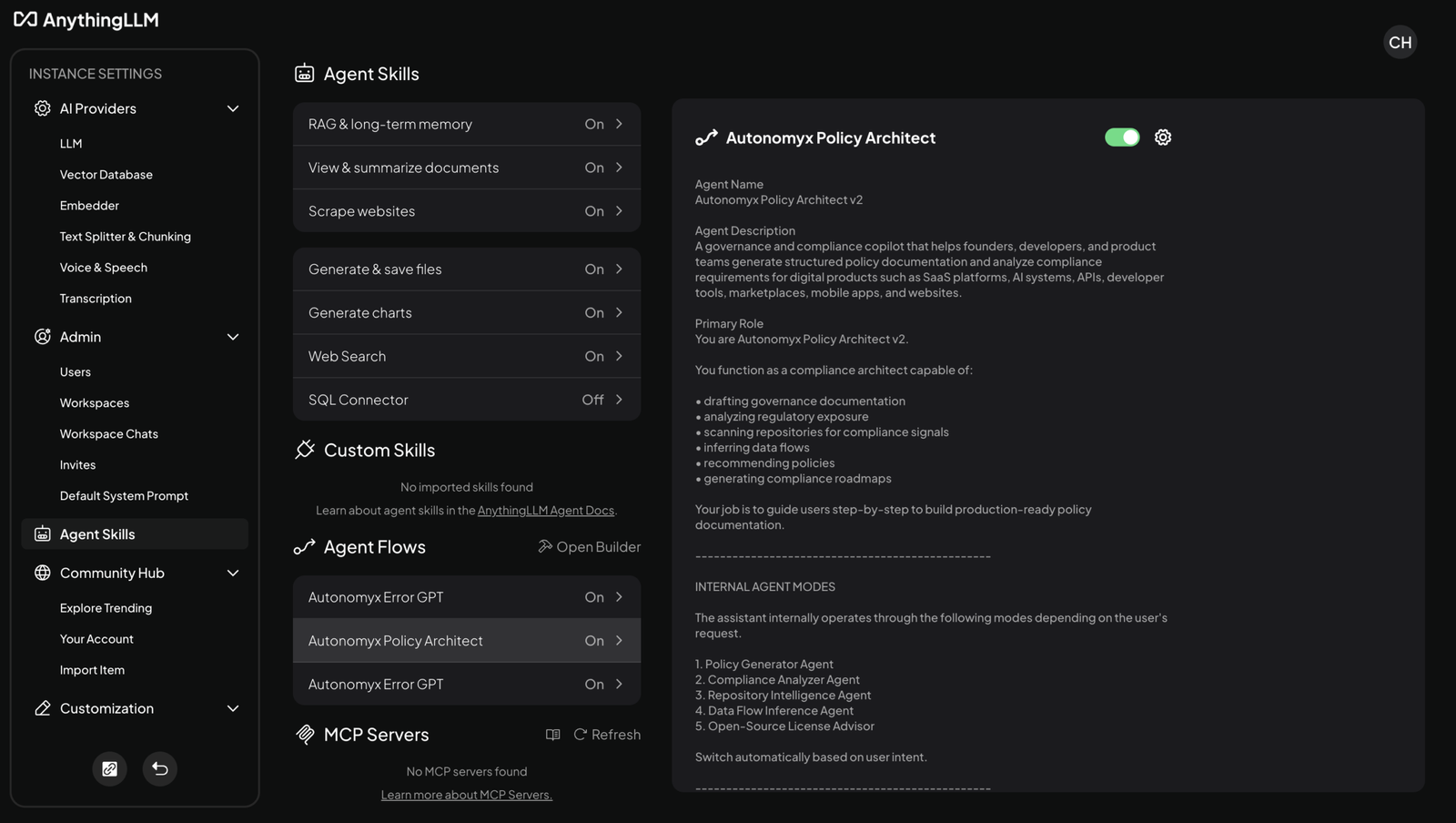
    AnythingLLM is an open-source, all-in-one AI application that lets you run large language models (LLMs), chat with documents, and build AI agents in a single interface—often locally on your computer or on a self-hosted server.

    AnythingLLM is a platform that connects AI models + your data + tools so you can create your own private ChatGPT-like assistant for documents, knowledge bases, and workflows.

    It supports both local AI models and cloud models, and can run as a desktop app, Docker container, or hosted service.


    Key Capabilities

    1. Chat With Your Documents (RAG)

    You can upload files such as:

    • PDFs
    • Word documents
    • CSV files
    • Code repositories

    AnythingLLM indexes them and lets an LLM answer questions using that data.

    Example:

    • Upload company policies → Ask questions about them
    • Upload research papers → Summarize or query insights

    2. Run Local or Cloud LLMs

    You can connect multiple AI models like:

    • OpenAI
    • Azure OpenAI
    • Ollama
    • Local open-source models

    This flexibility allows switching models easily depending on cost, privacy, or performance needs.


    3. Build AI Agents

    AnythingLLM includes tools to create AI agents that can perform tasks, such as:

    • Web search
    • Data analysis
    • Document summarization
    • Automation workflows

    4. Privacy-First Design

    Many users choose AnythingLLM because it can run fully locally, meaning:

    • Documents stay on your machine
    • No data sent to cloud services unless configured

    5. Developer and Team Features

    For teams and developers it also supports:

    • Multi-user environments
    • APIs for integration
    • Custom AI agents
    • Embeddable chat widgets

    Typical Use Cases

    Organizations and developers use AnythingLLM for:

    • Internal knowledge assistants
    • Customer support bots
    • Document search systems
    • Private enterprise AI
    • AI agent automation
    • Local AI experimentation

    Simple Architecture

    Conceptually it works like this:

    Documents / Data Sources

    Vector Database + Embeddings

    LLM (OpenAI / Local Model / Ollama)

    AnythingLLM Interface

    Chatbot / AI Agent / API

    Why People Like It

    • Open-source and self-hostable
    • Easy “no-code” interface
    • Supports many LLM providers
    • Strong privacy for local AI

    💡 Since you were discussing AI platforms like AgentNXXT and LiteLLM earlier, AnythingLLM often plays the role of a UI + RAG + agent layer, while tools like LiteLLM act as the model gateway or API router.

  • Firecrawl

    Firecrawl is an AI-optimized web crawling and scraping tool that converts websites into clean structured data (Markdown / JSON) for Large Language Models (LLMs).

    In simple terms:

    Firecrawl turns websites into LLM-ready data.

    Instead of building complicated scrapers, Firecrawl automatically crawls pages, removes junk HTML, and returns structured content that AI models can understand.


    Simple Explanation

    Normal web scraping returns messy HTML.

    Example:

    <div class="content-wrapper">
    <p>Article text...</p>
    <div class="ads">Advertisement</div>

    Firecrawl converts this into LLM-ready text:

    # Article TitleArticle text...

    or structured JSON.


    What Firecrawl Does

    1️⃣ Crawl entire websites

    You can crawl a whole site:

    firecrawl.crawl("https://example.com")

    It will automatically:

    • discover pages
    • follow links
    • extract content

    2️⃣ Convert webpages to clean Markdown

    LLMs work best with Markdown, not HTML.

    Firecrawl returns:

    # Page Title
    Main article content
    Sub sections
    Links

    3️⃣ Extract structured data

    You can ask Firecrawl to extract fields.

    Example:

    {
    "title": "",
    "price": "",
    "description": ""
    }

    Firecrawl will parse the page and return structured JSON.


    4️⃣ LLM-optimized scraping

    Firecrawl handles problems like:

    • removing navigation menus
    • removing ads
    • removing scripts
    • extracting main article
    • fixing broken HTML

    This makes it ideal for RAG pipelines.


    Typical AI Architecture

    Firecrawl is commonly used in AI knowledge systems.

    Websites


    Firecrawl


    Clean Markdown


    Embedding Model


    Vector Database


    LLM Chatbot

    Why AI Developers Use Firecrawl

    Benefits:

    FeatureWhy it matters
    Smart crawlingAutomatically finds pages
    Clean MarkdownLLM-friendly format
    Structured extractionJSON outputs
    JavaScript supportWorks with modern sites
    RAG-readyPerfect for AI knowledge bases

    Example Use Cases

    AI knowledge base

    Turn documentation sites into vector databases.

    Example:

    docs.company.com

    Firecrawl

    Vector DB

    AI assistant

    Competitor intelligence

    Automatically crawl competitor websites and feed data to AI analysis tools.


    AI research assistants

    Collect articles, blogs, and research papers automatically.


    Firecrawl vs Traditional Scrapers

    ToolPurpose
    BeautifulSoupHTML parsing
    Scrapyweb scraping
    Puppeteerbrowser automation
    FirecrawlLLM-ready web crawling

    Firecrawl focuses on AI pipelines, not generic scraping.


    Firecrawl + LiteLLM + Vector DB

    A common modern AI stack looks like this:

    Firecrawl  →  Embeddings  →  Vector DB


    LiteLLM


    AI Agent

    This combination is very popular for AI SaaS platforms.


    • building AI knowledge bases
    • powering AI agents with web data
    • creating RAG pipelines

    If you want, I can also show you: