Here are some of the top frameworks used to build AI agents and autonomous agent systems in 2025–2026. I’ve grouped them based on their purpose and maturity, because the ecosystem is evolving rapidly.
1. LangChain


4
LangChain is one of the most widely used frameworks for building LLM-powered applications and agents.
Key Features
- Tool integration (APIs, databases, search)
- Agent planning and tool calling
- Memory management
- Multi-step reasoning workflows
- Supports many LLM providers
Why It’s Popular
- Huge ecosystem
- Strong documentation
- Integrates with vector databases
- Used in many production AI apps
Best For
- LLM-powered apps
- Chatbots
- Tool-using AI agents
- RAG pipelines
2. AutoGen (Microsoft)


AutoGen from Microsoft is designed specifically for multi-agent collaboration.
Key Features
- Agents communicate via conversations
- Supports human-in-the-loop
- Multi-agent collaboration
- Code execution agents
Why It’s Important
AutoGen enables systems where multiple AI agents debate, plan, and execute tasks together.
Best For
- Autonomous research agents
- Coding assistants
- Multi-agent systems
- task delegation workflows
3. CrewAI


4
CrewAI is designed to simulate teams of AI agents working together like employees.
Key Features
- Role-based agents
- Task delegation
- Manager-agent orchestration
- Sequential or parallel workflows
Why It’s Trending
CrewAI makes it easy to design “AI teams” such as:
- Researcher
- Analyst
- Writer
- Reviewer
Best For
- AI content pipelines
- research automation
- business workflows
4. Semantic Kernel


4
Semantic Kernel is Microsoft’s framework for building enterprise-grade AI agents and copilots.
Key Features
- Skills / plugins architecture
- Planning capabilities
- Memory support
- Works with .NET, Python, Java
Why Enterprises Use It
- Enterprise security
- Deep Microsoft ecosystem integration
- Structured planning system
Best For
- enterprise copilots
- enterprise AI workflows
- internal business automation
5. Haystack Agents


4
Haystack (by Deepset) originally focused on RAG pipelines but now supports agents.
Key Features
- strong RAG architecture
- document search pipelines
- tool usage
- modular architecture
Best For
- enterprise search agents
- knowledge assistants
- document automation
6. OpenAI Agents SDK


4
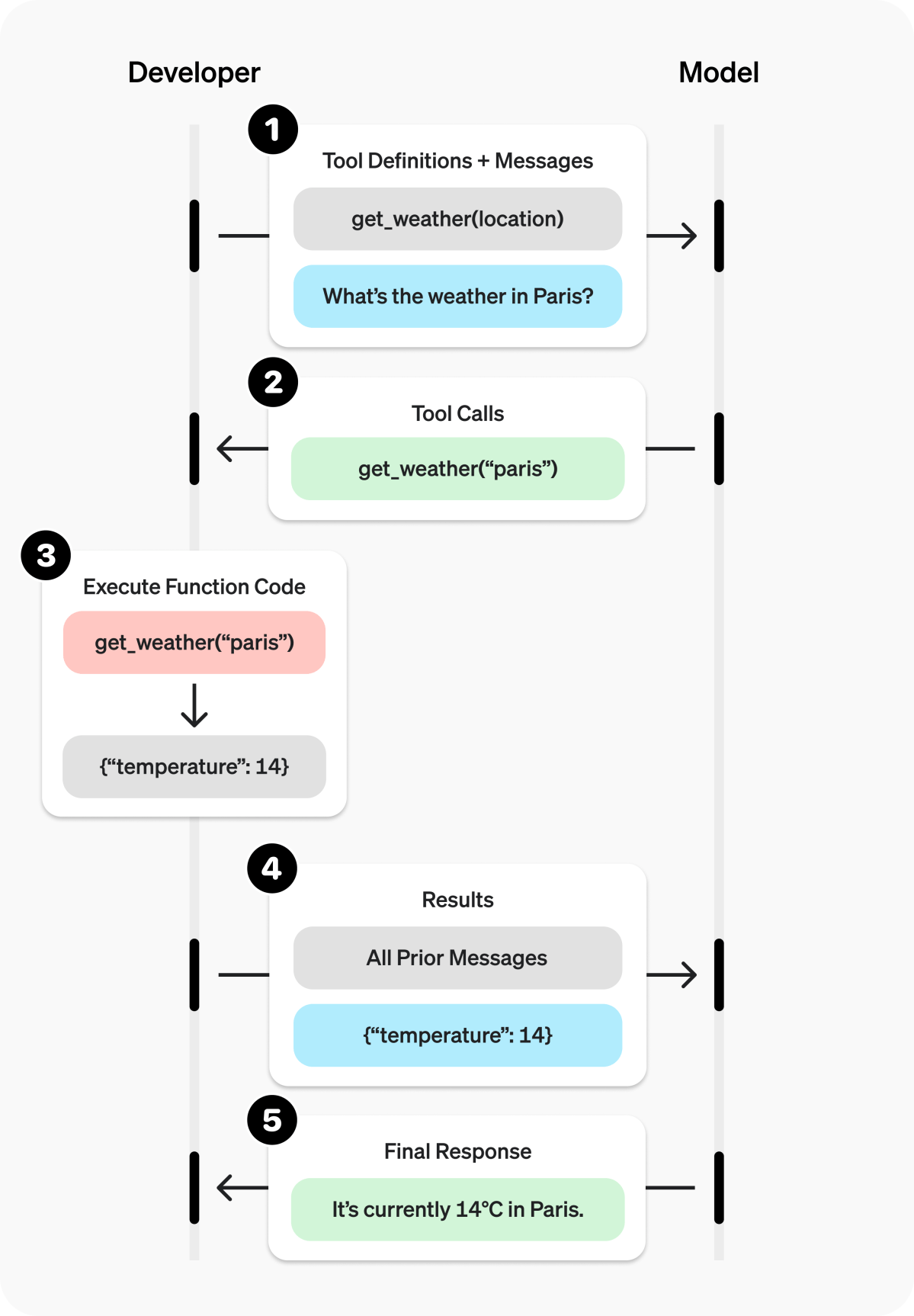
The OpenAI Agents ecosystem (Assistants API, tools, and agent SDK) focuses on building reasoning agents with tool access.
Key Features
- tool calling
- code execution
- retrieval tools
- structured outputs
Best For
- SaaS copilots
- AI assistants
- automation agents
7. LlamaIndex


4
LlamaIndex focuses on connecting LLMs to external data sources.
Key Features
- Data connectors
- Indexing pipelines
- Retrieval agents
- Knowledge graphs
Best For
- data-driven agents
- knowledge assistants
- RAG applications
8. DSPy


4
DSPy (Stanford) is a new framework for programming LLM systems declaratively instead of prompt engineering.
Key Features
- declarative programming
- automatic prompt optimization
- composable modules
Best For
- research
- advanced AI systems
- optimized agent pipelines
Quick Comparison
| Framework | Strength | Best Use Case |
|---|---|---|
| LangChain | ecosystem | general AI apps |
| AutoGen | multi-agent | collaborative agents |
| CrewAI | team-based agents | workflow automation |
| Semantic Kernel | enterprise integration | enterprise copilots |
| Haystack | search + RAG | knowledge assistants |
| OpenAI Agents | tool calling | SaaS AI assistants |
| LlamaIndex | data integration | RAG systems |
| DSPy | optimization | research systems |
Emerging Trend: Agent Orchestration Platforms
Many companies are now building agent platforms instead of simple frameworks, such as:
- LangGraph
- AutoGen Studio
- CrewAI Enterprise
- Autogen Studio
- OpenDevin
These platforms help manage:
- agent memory
- tool access
- task planning
- monitoring
- governance
✅ Simple rule
- Beginner: LangChain / CrewAI
- Enterprise: Semantic Kernel
- Multi-Agent: AutoGen
- Data agents: LlamaIndex
- Advanced AI systems: DSPy
💡 If you want, I can also show you:
- Top 20 AI Agent frameworks (2026 landscape)
- Best frameworks for enterprise autonomous agents
- Architecture of a full autonomous AI agent system
- The future “AI Operating System” stack (Agents + Tools + Memory + Orchestration)
Just tell me.
Top 20 AI Agent frameworks (2026 landscape)
Below is a 2026 landscape overview of the Top 20 AI Agent Frameworks, grouped by their primary capability (general agents, multi-agent systems, data agents, enterprise orchestration, and experimental frameworks). This gives a clearer picture of how the agent ecosystem is evolving beyond simple LLM wrappers into full autonomous systems.
Top 20 AI Agent Frameworks (2026 Landscape)
1. LangChain


4
LangChain remains one of the most widely adopted frameworks for building AI agents and LLM applications.
Key capabilities
- Agent tool calling
- Memory modules
- RAG integration
- Workflow orchestration
Typical use cases
- AI copilots
- Chatbots
- RAG assistants
- SaaS AI features
Multi-Agent System Frameworks
These frameworks specialize in teams of agents collaborating together.
2. AutoGen (Microsoft)
4
Designed by Microsoft for multi-agent collaboration through conversation.
Strengths
- agent-to-agent messaging
- human-in-the-loop
- code execution agents
- task delegation
3. CrewAI
ChatGPT is still generating a response…
Discover more from AgentNXXT
Subscribe to get the latest posts sent to your email.